


WRC 2026: SEER’s Four Embodied Intelligence Demos Stole the Show
WRC 2026: SEER’s Four Embodied Intelligence Demos Stole the Show
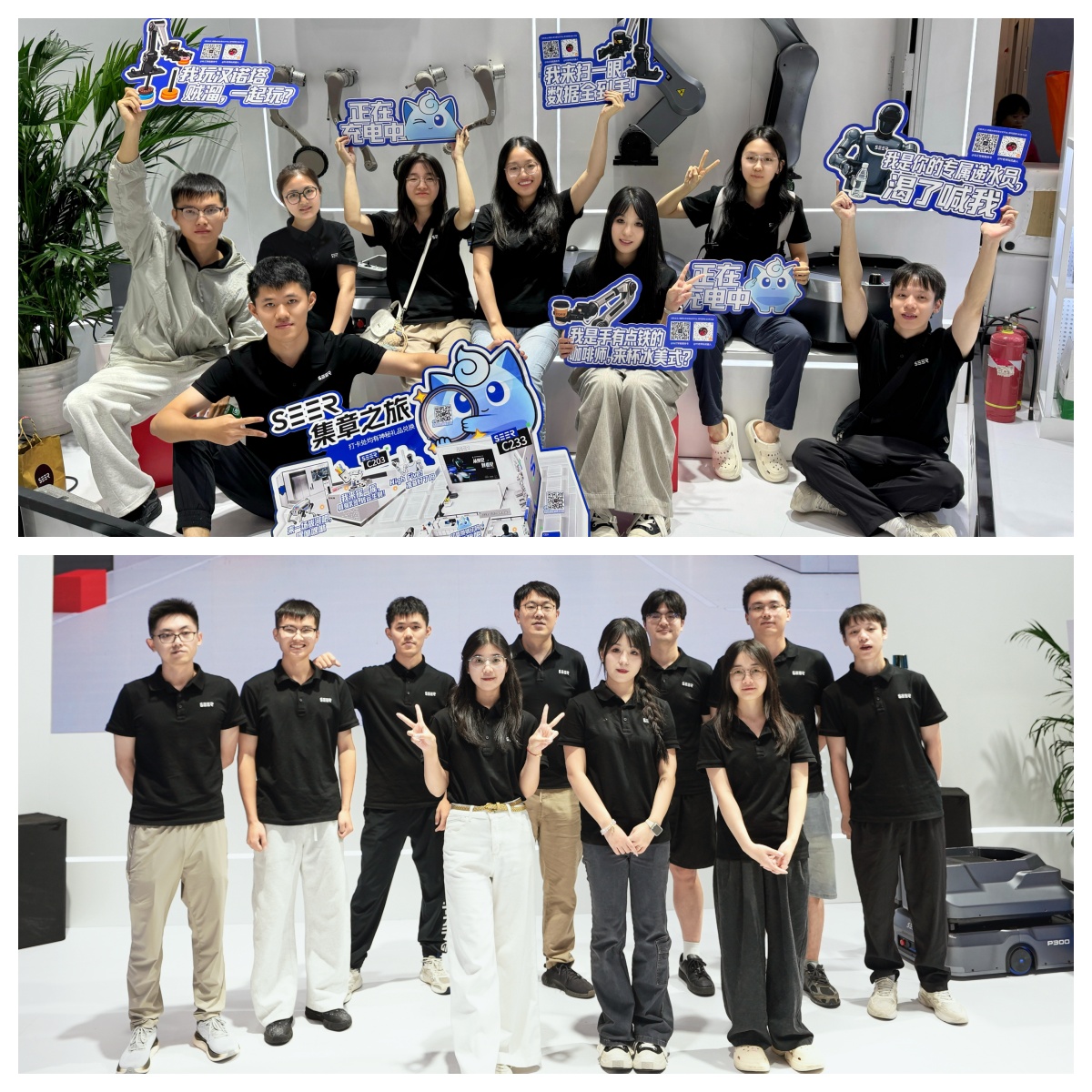
WRC 2026 has concluded. For SEER, the exhibition was more than a product showcase. It was a focused validation of embodied intelligence in real-world settings. For the first time, we presented robotic arm manipulation at scale, and reinforced that SEER is more than a mobile robotics company.
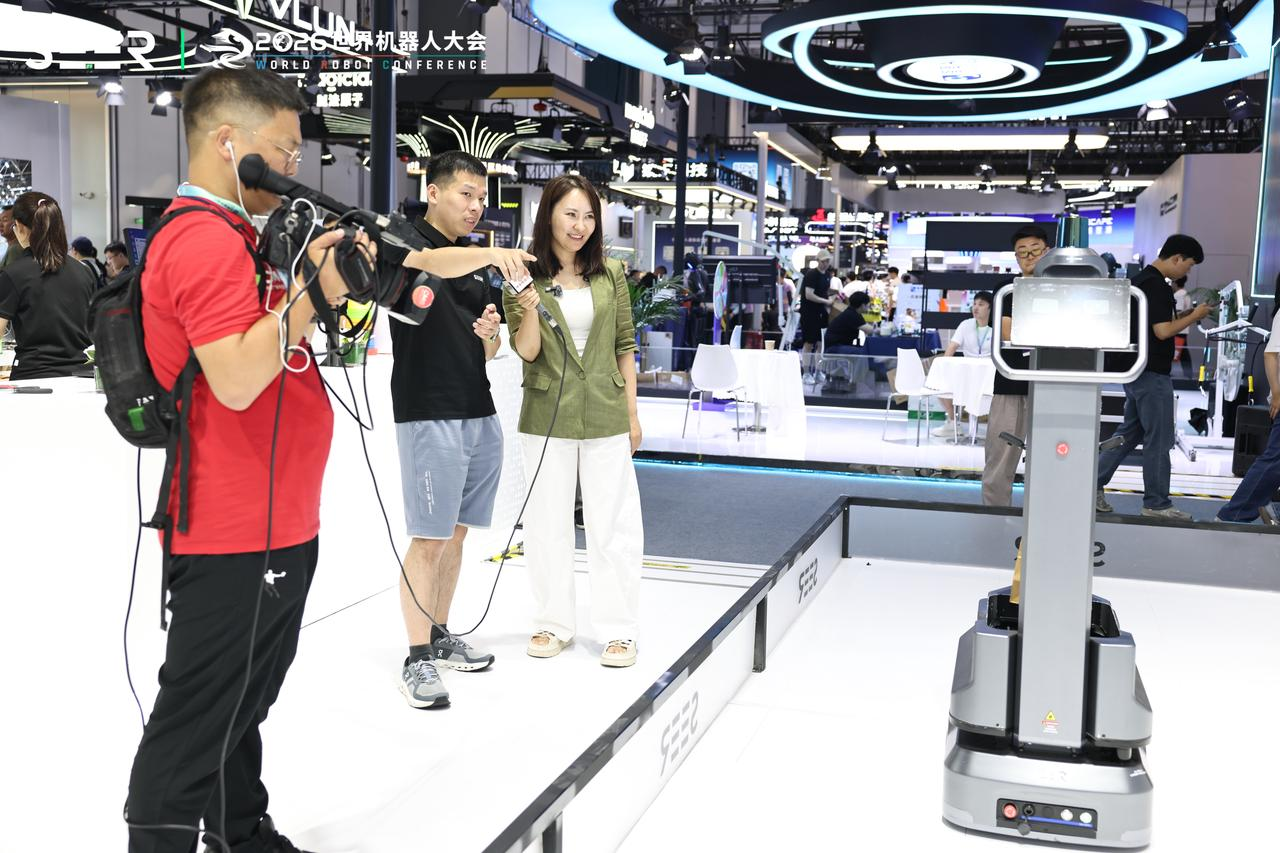
We brought four embodied intelligence demos spanning commercial services, traditional culture, reasoning, and industrial delivery. Together, they demonstrated performance across perception, reasoning, memory, generalization, and control. All four systems ran continuously from the first day to the last, with stable operation and strong visitor engagement. The exhibition also drew coverage from major media outlets, including CCTV.
Four Scenarios, Four Capabilities
All four demos were built on SEER’s self-developed VLA solution, DeepPEAR, and showed the same model base across different tasks:
- Embodied coffee demonstrated long-horizon, multi-step autonomous execution.
- Embodied fortune drawing demonstrated high-frequency precision control and the first integration of VLA with classical control.
- Embodied Tower of Hanoi demonstrated logical reasoning, state memory, and generalization.
- Embodied delivery demonstrated mobile grasping, obstacle avoidance, and last-mile deployment.
We are also developing our next foundation model, Taste 0.7, which will be announced later this year.
Embodied Coffee
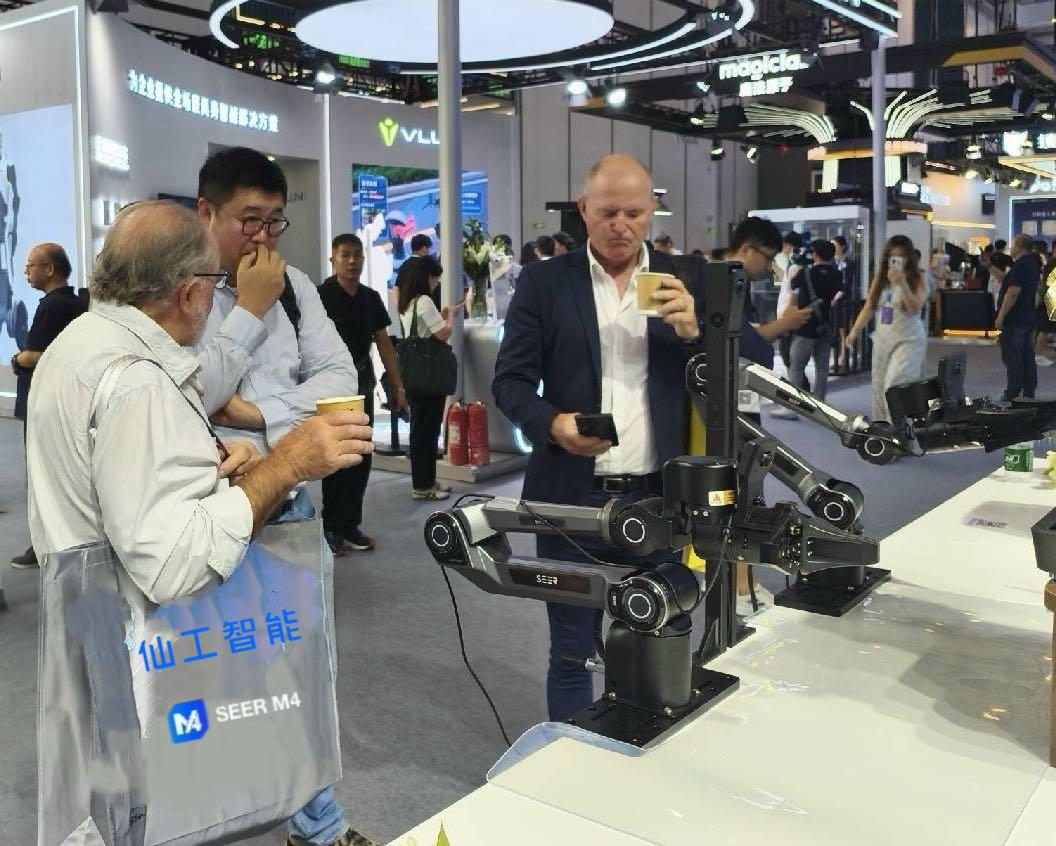
Embodied coffee was one of the most complex and longest-running demos at the exhibition. It also produced the highest number of cups and ran for the longest continuous time. On average, it served more than 100 cups per day and more than 400 cups in total, while preserving the full coffee-making workflow with no human intervention.
From cup pickup, grinding, tamping, portafilter handling, extraction, pouring, to cleaning and reset, the process was not simplified for the demo. It showed not just single-action execution, but the ability to chain multiple actions reliably and complete the task end to end. The machine interface required high precision, the buttons were small and flat, and the gripper was not custom-designed for coffee, yet the model still completed the task and showed strong generalization potential.
Embodied Fortune Drawing
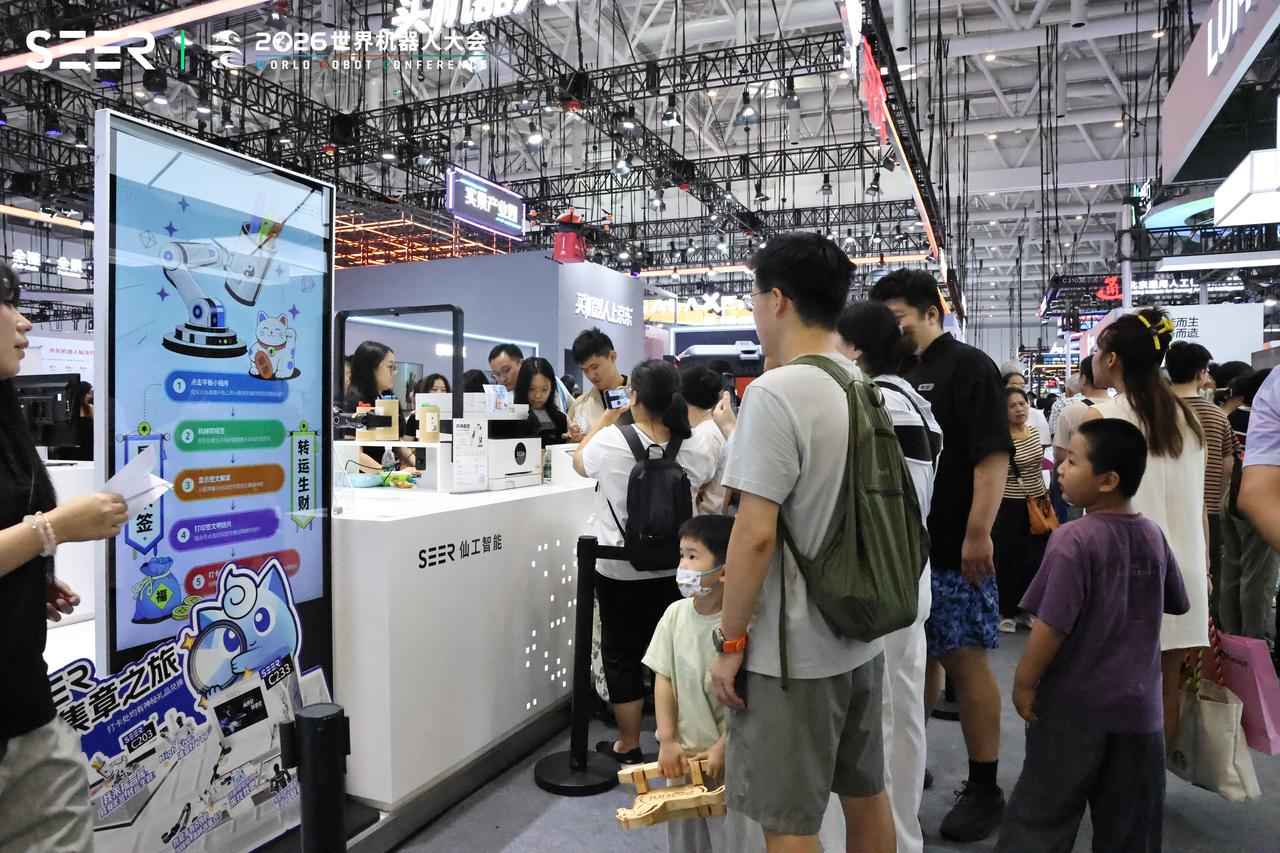
Embodied fortune drawing was one of the most distinctive demos at WRC, and one of the first applications combining embodied intelligence with traditional culture and cultural-creative experience. The setup formed a closed loop through robotic arm drawing, tablet recognition, LLM-based interpretation, and souvenir printing, attracting long queues and more than 1,200 participants.
The value of this demo was not only its novelty, but its extension of embodied intelligence into a real interactive scenario. From user interaction, to robotic grasping of the fortune tube, to precise shaking, interpretation, and closed-loop output, the system showed why VLA and classical control need to work together. High-level understanding alone is not enough, and low-level control alone is not enough for deployment.
Embodied Tower of Hanoi
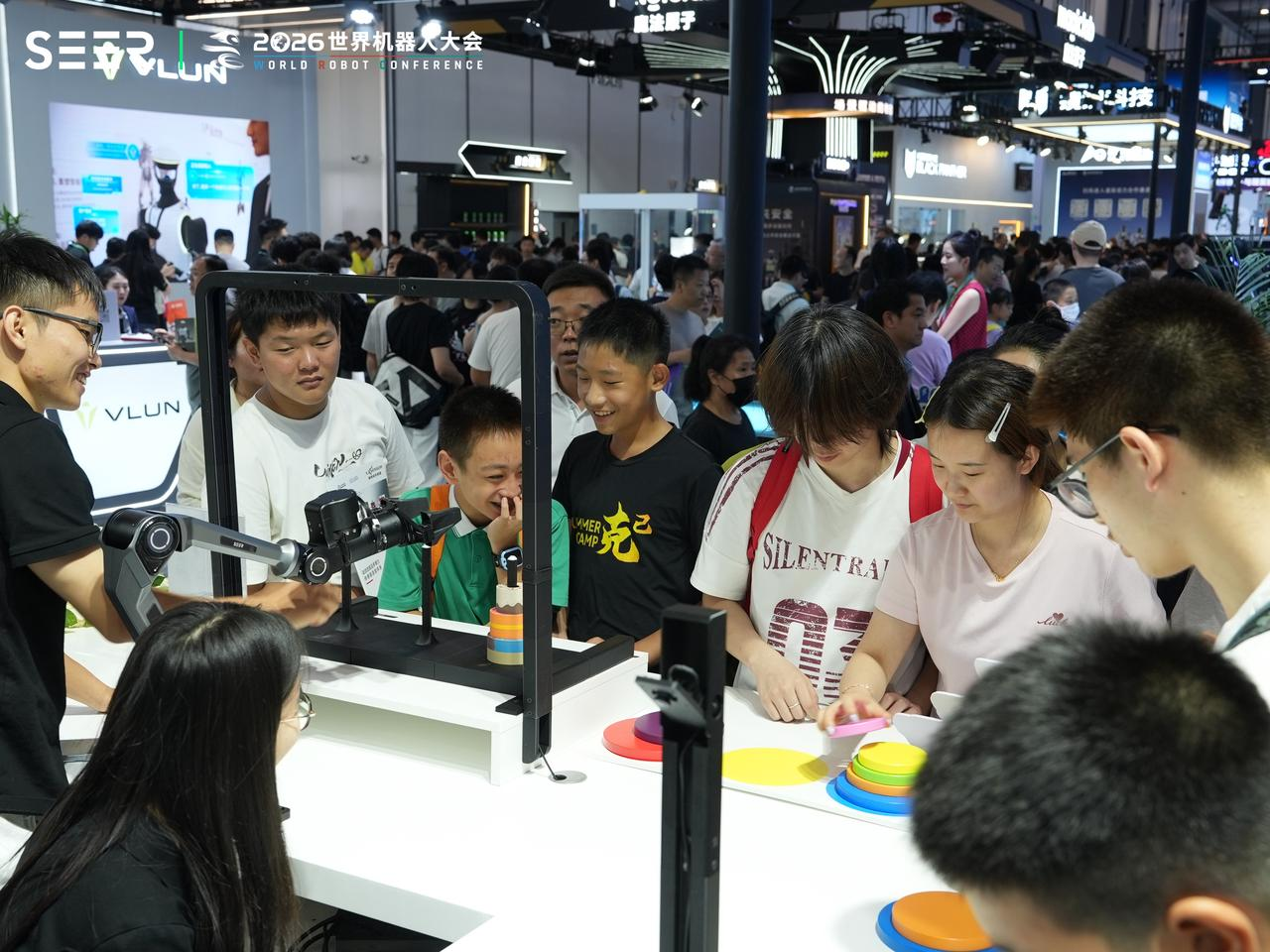
Embodied Tower of Hanoi demonstrated a different capability: long-horizon logic, memory, and state generalization. Using a single model, the system completed seven consecutive steps and ran for nearly 40 hours. More importantly, it was not limited to a fixed initial state. It could identify the current state and continue from there.
At the booth, many professional visitors actively intervened by moving the base, jumping to arbitrary steps, or even mixing two different Tower of Hanoi setups. The model still identified the state quickly, adjusted its actions, and completed the task.
That is also why the demo attracted many parents and students. It was not only something to watch, but also something to interact with and use as a robotics education example. Many students even organized their own Tower of Hanoi competitions on site.
Embodied Delivery
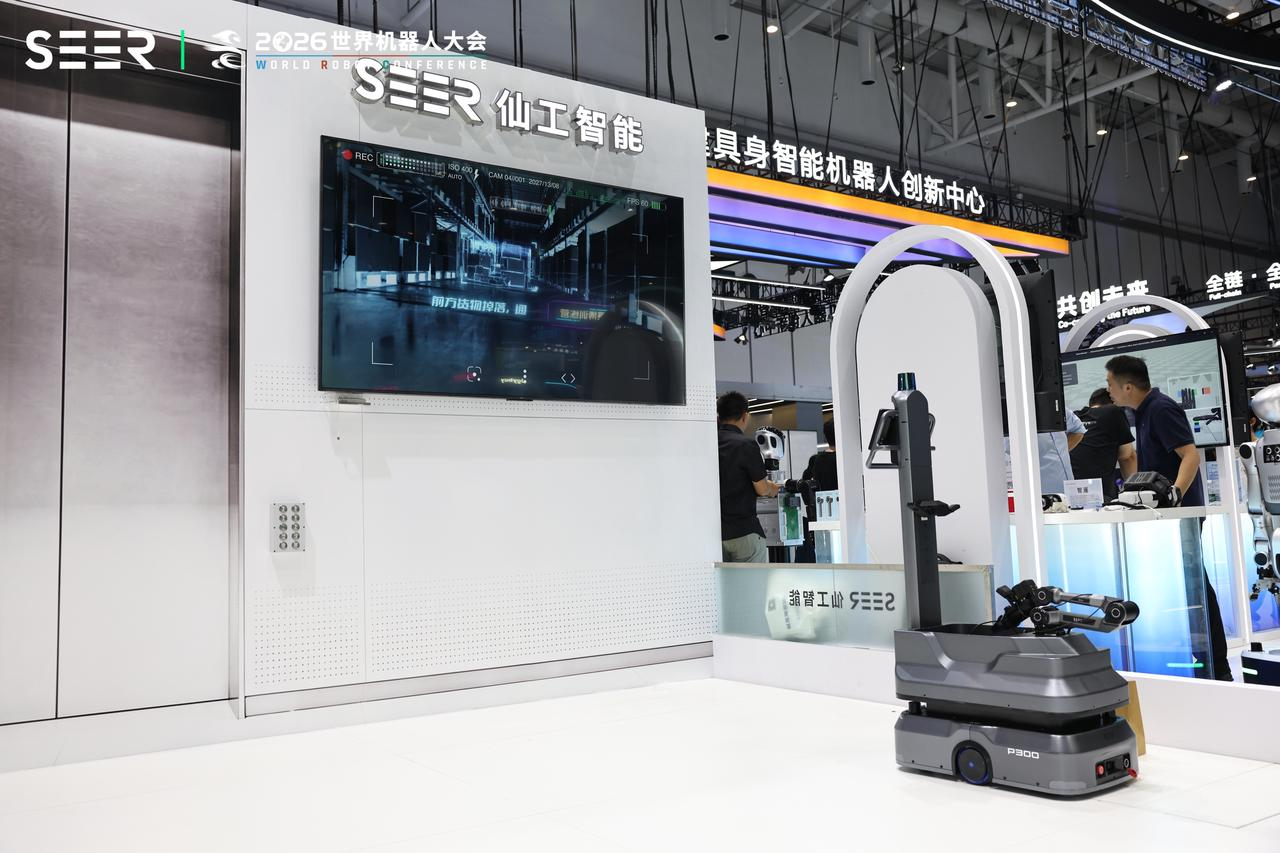
Embodied delivery demonstrated mobile grasping and was the scenario closest to a real operational workflow. The delivery vehicle combined free navigation, obstacle avoidance, and 3D avoidance capabilities, while the robotic arm handled grasping and placement. At the destination, it did not stop to search for items; instead, it carried the object in advance and released it directly at the target position, maximizing efficiency.
This scenario addresses a practical question: in many delivery workflows, the challenge is not whether the object can be picked up, but whether the task can be completed while moving. The system can autonomously avoid obstacles, press elevator buttons, and adapt to customer requirements in appearance, storage layout, route planning, and single- or dual-arm configurations. This made the demo particularly relevant to hotels, elevator retrofits, industrial delivery, and retail logistics.
Future: From Booth to Deployment
After WRC, all four demos received strong interest from potential partners and buyers. For the coffee project alone, more than 50 parties expressed purchase intent, based on our incomplete count.
In terms of deployment, embodied coffee is suitable for science parks, enterprise showrooms, property services, and senior care facilities. Embodied fortune drawing can be adapted for temples, Taoist sites, and cultural tourism. Embodied Tower of Hanoi is well suited to schools and early education programs, and can also be extended into robotics teaching courses. Embodied delivery can be customized for industrial, hotel, retail, and outdoor delivery scenarios, with configurable appearance, storage, routing, and single- or dual-arm setups.
Partnership models include full solution delivery, investment, leasing, and channel cooperation.
SEER will continue advancing both model capability and scenario deployment, so that embodied intelligence can truly serve, work, and deliver.
